All of this was completed by 4:00am without a single serious incident. The operation succeeded because of one thing above all else: preparation. Belgium’s Football Act, reinforced after the Heysel disaster, mandates rigorous pre-event coordination between police, fire services, medical teams, and stadium operators. That legal and operational framework gave every actor a clear role when the crisis hit.

On the evening of the Belgium vs. Sweden UEFA qualifier, a terror attack targeting Swedish nationals struck the city centre of Brussels while the spectators were entering the King Baudouin Stadium. Following confirmation of the attack at 7:15pm, the match continued briefly while the command tower worked to verify the situation. During halftime, the Swedish fans caught wind of the shooting that happened before the match. This, in addition with a subsequent false alarm of shootings behind one of the stands (which turned out to be fire crackers) at 9:40pm, triggered an immediate lockdown, transferring perimeter control to federal authorities while stewards managed internal safety. Both national federations jointly decided to suspend the match, and evacuation began at 11:45pm. The evacuation was done stand-by-stand to prevent congestion. Swedish supporters were held in a separate VIP zone before being registered and escorted by a police bus to their hotels. By 4:00am, the stadium was fully cleared without a single serious incident.

Learnings:
The incident caused a thorough post-event review and a series of meaningful operational improvements. Here are some of those operational improvements:
- Pre-written multilingual emergency announcements are now available to announcers and big screen operators at all times, eliminating the dangerous delays caused by drafting messages on the spot during the crisis.
- A sixth dedicated radio channel was introduced exclusively for crisis communication, and a formal press officer role was established to manage media and prevent the spread of unverified information.
- Crisis rooms are now consistently equipped and staffed, roles and escalation steps are clearly documented across all departments, and mental health debriefs for stewards and volunteers have become standard practice.
Conclusion:
Key to the response was calm, clear communication: from the stadium announcer maintaining order inside, to a trusted Swedish supporting liaison officer relaying only verified information to visiting supporters. The evacuation itself was phased stand-by-stand, preventing bottlenecks and keeping the crowd composed throughout.
The incident has since driven significant improvements at the RBFA: pre-written multilingual announcements, a dedicated sixth radio channel for crisis communication, formal crisis room protocols, and a newly assigned press officer role to control media information flow. Mental well-being debriefs for staff are now standard practice.
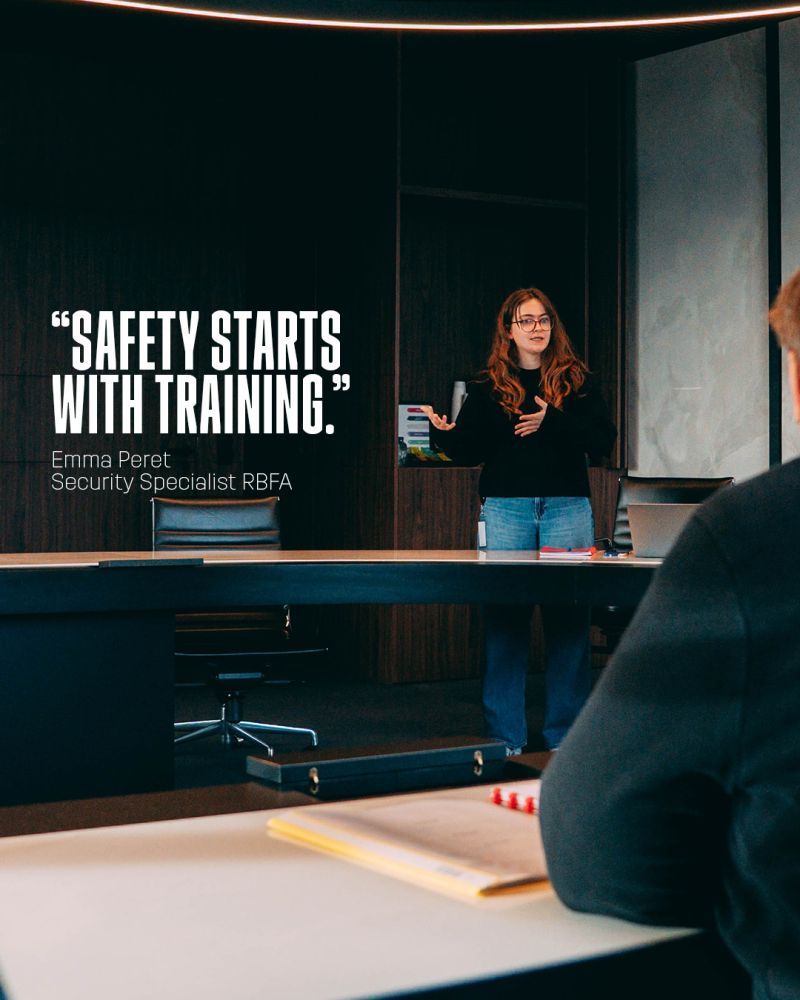
This session offered ESSMA members what real crisis management looks like and the operational upgrades that followed.
Rewatch the ESSMA Safety Cohort here: https://youtu.be/sU7-b0TQvRE