Why Pyrotechnics Remain a Major Risk
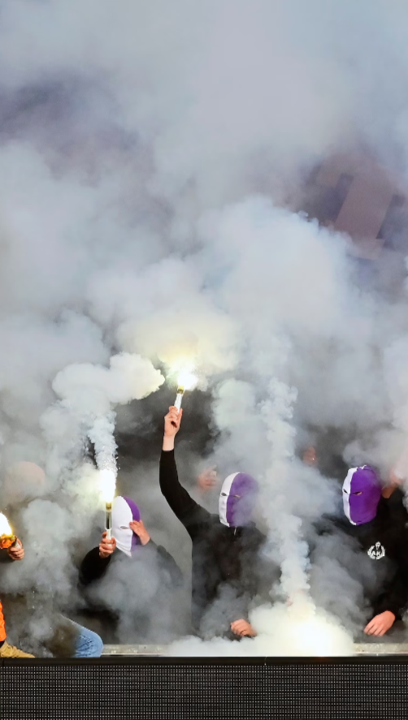
Pyrotechnics – including flares, smoke bombs and Bengal flames – may be part of football fan culture, but they come with severe risks. Bengal flames can reach over 1,000°C, leading to severe burns, toxic smoke inhalation, and even heart rhythm disturbances. Beyond health risks, pyro poses serious fire hazards, property damage, and disruption to matches, creating dangerous environments for players, supporters, and staff alike.
Bram recalled a particularly alarming incident during the 2000–2001 derby against Antwerp, when a flare was thrown into a crowded stand. Incidents like these underline why Belgian football law applies zero tolerance to pyrotechnics, with offenders facing heavy fines and stadium bans.
Prevention and Communication at Beerschot
Beerschot has adopted a twofold approach: preventive measures and consistent communication.
· Preventive Action: Stadium sweeps before each match, surface-level clothing and bag checks, and ID verification against tickets help to reduce risks. The club also enforces stricter sanctions for high-demand away fixtures.
· Communication Strategy: Beerschot avoids any promotion of pyro, deliberately excluding photos of flares from social media or official club channels. Campaigns highlight the dangers of pyro and are accessible on every page of the club’s website.
Interestingly, Bram stressed that communication isn’t primarily aimed at hardcore ultras – who are unlikely to change behaviour – but at the wider fan base around them. These supporters can apply social pressure and help reduce acceptance of dangerous practices.
Operational and Staffing Challenges
Like many Belgian clubs, Beerschot faces difficulties in recruiting and training enough stewards. High-quality stewarding remains essential for both detection and safe intervention when incidents occur. Recruitment campaigns run every two weeks, with a strong emphasis on quality over quantity.
While new technologies for detecting pyrotechnics exist, they are often costly and not yet fully reliable. The club remains open to adopting them if proven effective and financially sustainable.
The Importance of Collaboration
Bram emphasised that the fight against pyrotechnics cannot be won by clubs alone. More active involvement from the Pro League and governing bodies is needed, as well as stronger, more coordinated messaging across clubs.
At Beerschot, this collaborative spirit is already visible. A new Head of Security – formerly at Antwerp – has recently joined the club, bringing fresh expertise. Bram also encouraged ongoing dialogue among ESSMA members, stressing that this issue is about safety, not rivalry.
Key Takeaways from Beerschot’s Approach
- Zero tolerance backed by law and internal regulations is essential, with clear sanctions and consistent enforcement.
- Communication matters – not by targeting ultras directly, but by influencing the broader fan community.
- Clubs need collective support from leagues and governing bodies to create long-term impact across the football ecosystem.